
The Realities of Global Moves & The Power of Lateral Shifts
Haidé Villuendas, a seasoned global supply chain executive and NextUp NY sponsor, joins Derek Lutz to pull back the curtain on international career leaps. Discover why perfection can derail a good result, the hidden power of lateral moves, and how to balance corporate ambition wi

In the second season of Link by Link, Derek Lutz, CEO of Lean Six Search, sits down with Haidé Villuendas, a brilliant global executive with nearly 30 years of supply chain experience spanning seven countries. In this deeply candid episode, Derek and Haidé look past the glamorous facade of international relocations on LinkedIn to discuss the true personal and professional demands of structural change. Their conversation serves as a foundational guide for modern leaders navigating global teams, cultural nuances, and the shifting dynamics of automated supply chains.
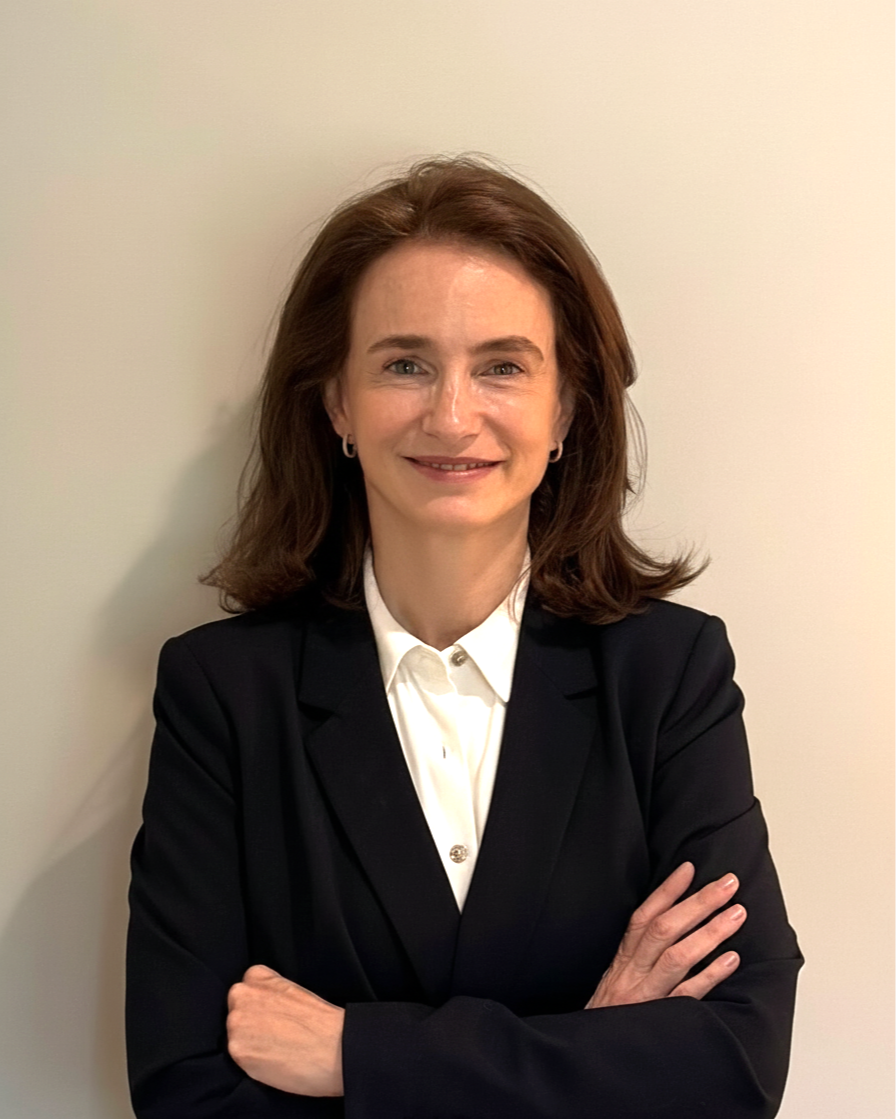
Haidé Villuendas is a highly accomplished global supply chain executive currently based in the New York Metro area. With nearly three decades of leadership experience inside prominent multinational corporations, including PepsiCo, Danone, and Kimberly-Clark, she has spearheaded complex regional and global operations across Europe, North America, and Latin America.
Haidé holds a business degree from Glasgow Caledonian University, has lived and worked in seven countries, and speaks five languages fluently. Alongside her executive career, she actively champions diversity and talent development as a Regional Executive Sponsor at NextUp NY, an organization dedicated to advancing women leaders. An avid endurance athlete, she regularly competes in long-distance races and brings the same focus and resilience to the boardroom.
The Reality of Global Relocations & Reinvention
Derek Lutz: Big moves, especially global moves, can look pretty glamorous on LinkedIn, but they rarely feel glamorous in real life. What did that leap demand of you?
Haidé Villuendas: Professionally, you go from a situation where you know the business, the infrastructure, and the colleagues who have grown with you, and suddenly you have to put all that away. You start again from scratch, learning a new operational model and building relationships. It can be so daunting that it's the reason many people decide to stay put. But my perspective is that you grow as a result of that effort.
Derek Lutz: How many versions of yourself have you had to become to build the career you have today?
Haidé Villuendas: Many of us have evolved from being that quick-study, highly flexible operator who relies on natural energy and drive to get things done fast, to being that wiser leader in charge of a large team. To do that, you have to switch from individual execution to learning how to navigate politics, inspire others, and extend trust. Sometimes, you even have to be several versions of yourself within the same day, managing heavy emotional news confidentially in one moment, and immediately stepping out to be a cheerful, optimistic anchor for your team the next.
Cultural Realities & Core Truths
Derek Lutz: You've managed teams across a multitude of places. What did different countries teach you about leadership?
Haidé Villuendas: Every culture stretches you differently. In the UK, I learned the power of exact punctuality and dry humor to diffuse high-pressure environments. In the Netherlands, I learned to view direct feedback as a great sign of an engaged, transparent team. In Brazil, I realized nothing beats trust and face-to-face presence; people show their true selves when you are in the trenches with them. And in Argentina, running a turnaround environment taught me the vital necessity of radical prioritization.
Derek Lutz: What truths have stayed exactly the same, no matter where you are in the world?
Haidé Villuendas: First, focus strictly on what you can control when you are overwhelmed by outside noise. Second, that "hindsight is 20/20." And third, while ambitious people always aim for absolute excellence, the reality is that many situations require "good" to be good enough. Perfection can frequently get in the way of a great result.
Defining Real Leadership
Derek Lutz: What does real leadership look like to you when nobody is watching?
Haidé Villuendas: I love the definition that a good leader is someone who effectively uses their brain, their guts, and their heart. That represents your judgment, your empathy, and your ability to show courage and inspire it in others. Real leadership is about creating the conditions for your team's success while always owning the score and staying accountable. Eventually, you have to live with the decisions you make, whether someone was watching you at the time or not.
Derek Lutz: From a supply chain perspective, how do you stay calm and effective when everything around you is crazy?
Haidé Villuendas: No matter how simple a supply chain is, you can end up with massive, complex problems because supply chains are still designed by people for people. We are not perfect, so errors and accidents are bound to occur. When the table keeps shaking, creativity, agility, and absolute teamwork are the only ingredients that unlock powerful solutions.
Career Strategy & The Future of AI
Derek Lutz: What do you think are some supply chain changes that are genuinely going to come true over the next few years?
Haidé Villuendas: It is completely evident that touchless or light-software operations are starting to come through via driverless trucks and autonomous agents cooperating across organizations. This level of automation will lead to the loss of certain traditional jobs. It is up to each of us to understand how we want to contribute to a future society that demands new skills, learning how to buy, make, and sell that intelligence while creating the collective wisdom to guide it.
Derek Lutz: If you were starting your supply chain career from scratch today, what would you do differently?
Haidé Villuendas: I would focus heavily on soft skills like agility, communication, and coaching. But I would also emphasize strategic career moves. In my past, I intentionally took a lower-paid, lower-level job at one point because I wanted to build deeper credibility in the execution space. It was an unregrettable move.
Derek Lutz: I talk to so many people who say, "I'm a director, I want to be a VP," but they are hyper-focused on one silo. Taking a lateral move to broaden your horizon can actually help you jump two steps forward later.
Haidé Villuendas: Absolutely. Stepping into those side moves allows you to understand the rules of the game in another function. It gives you a level of proximity and awareness to figure out a critical question: "Do I see myself doing this exact work, or do I see myself leading the people who do it?"
Listen to the full conversation with Haidé Villuendas and explore our previous editions on Spotify.