
Rethinking the Procurement Operating Model: Data, AI, and Adaptability.
Aaron Addicoat of AlixPartners joins Link by Link to discuss bridging the gap between procurement ambition and execution, building data strategies, and why future operating models rely on vertical compression and horizontal expansion.

Moving from tactical firefighting to vertical compression, data strategies, and first-principles digitization.
In this episode of Link by Link, Derek Lutz sits down with Aaron Addicoat, Director at AlixPartners, to discuss the reality of procurement transformation. Having navigated global supply chains at Airbus, advised Fortune 500s at Deloitte, and driven value creation across private equity portfolios, Aaron brings a grounded perspective on why procurement strategies break down and how CPOs can fix them.
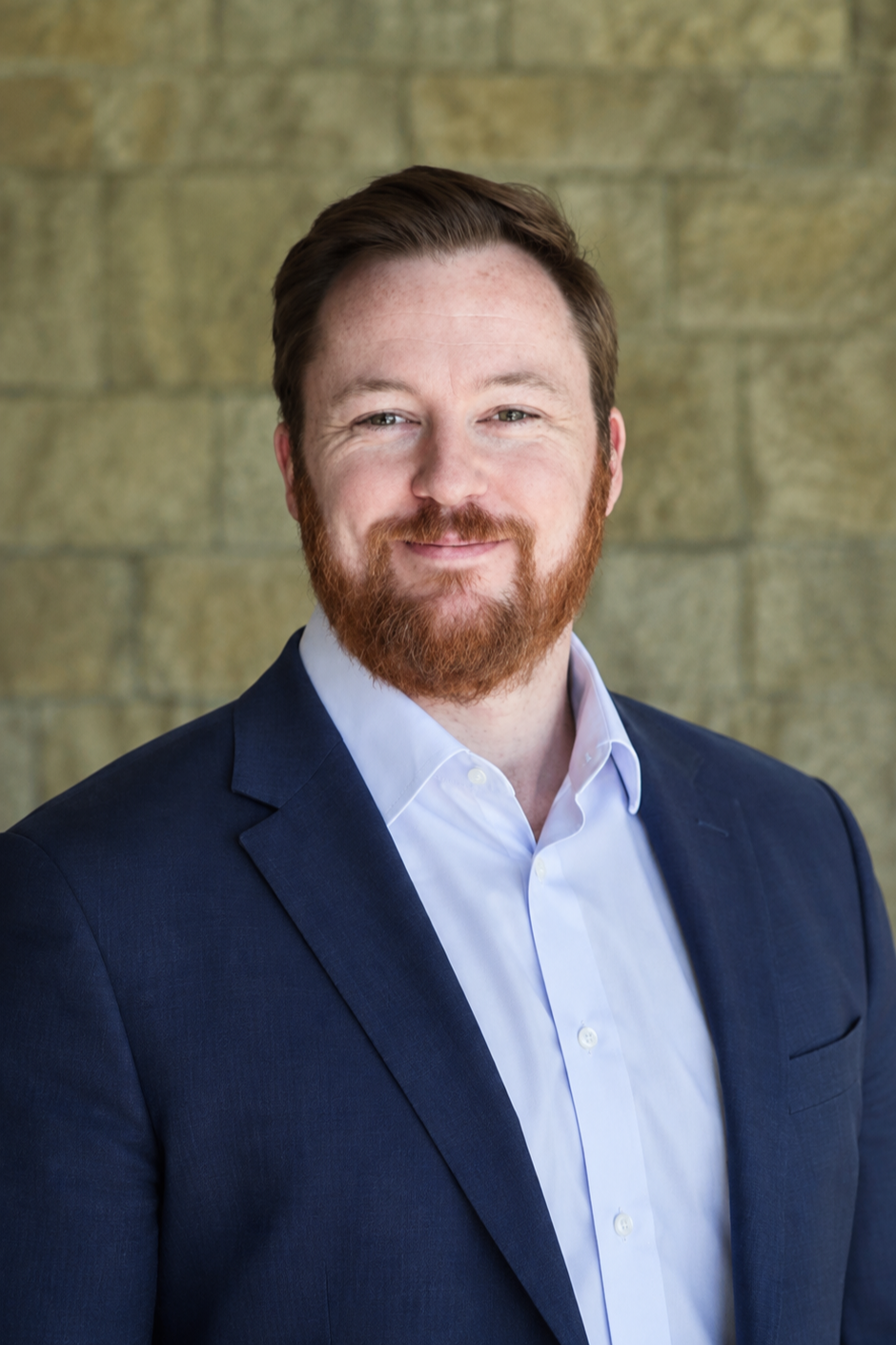
Aaron Addicoat is a supply chain and procurement leader with more than 20 years of experience spanning global industrial operations, top-tier management consulting, and private equity value creation. He is driven, passionate, and deeply thoughtful about the human impact of humanities integration with AI.
His career includes six years at Airbus managing production consumable categories inside one of the world's most complex aerospace supply chains, almost thirteen years at Deloitte Consulting advising two of the top ten global pharmaceutical companies and executing one of the largest Global Business Services transformations ever run, and his current role at AlixPartners leading sourcing and procurement engagements for private equity-backed clients across industries including aerospace, industrial, and food service.
He believes strongly in the thesis that the future procurement operating model will be (is): vertical compression and horizontal expansion. Fewer layers as AI and agents absorb execution and augment strategy, wider as capabilities (and roles) required to configure and manage this new world emerge, from token economics to AI configuration, and agentic workflow design.
Based in South Florida, where he channels the same optimization instincts into cars, travel, and finding the best meal!
Episode Overview & Highlights:
Derek Lutz: When moving teams from reactive firefighting into strategic roles, how much short-term disruption should a CPO expect, and how do you actually carve out that capacity?
Aaron Addicoat: Disruption is a broad term, but it comes down to understanding where your hours are actually leaking. If you conduct a granular time study across your organization, breaking daily work into 25 or 27 distinct activities, including separating data extraction from actual data analysis, you quickly see massive time sinks. Teams spend an inordinate amount of time chasing suppliers, expediting purchase orders, cleansing broken data, and navigating burdensome contracting loops. Once you map where time is going versus what your primary objectives are, you can eliminate non-essential tasks, fix upfront policies, and consciously redirect that capacity to focus on category strategy and supplier innovation.
First-Principles Digitization: Process Redesign Before AI
Derek Lutz: A lot of procurement teams right now are trying to bolt AI onto their existing model without asking who owns what anymore or fixing broken workflows first. How do you approach that?
Aaron Addicoat: You have to apply first-principles thinking before layering technology on top of a process. If you take a broken, overly complex contracting policy or a $100,000 bidding threshold and simply digitize it, all you have done is automate inefficiency. If you raise that threshold or simplify the approval loop, you instantly free up significant operational time without increasing risk or giving up on your KPIs. Fix the underlying rules and policy friction first; technology should accelerate a clean process, not patch a broken one.
Navigating Change: The "Third, a Third, a Third"
Rule Derek Lutz: When a CPO decides to execute a ground-up operating model transformation, how do you handle the organizational shift and the talent impact across the team?
Aaron Addicoat: Whenever you go on a transformation journey, a general rule of thumb applies: a third of your people are going to get it, embrace change, and act as your change agents. A third will be fine keeping the lights on, but they won't drive the transformation forward. And frankly, a third will struggle because their existing skill sets, habits, or mindset don't fit the new model. You have to give everyone a fair shot, but you shouldn't be afraid to let people transition out to find roles that better suit them, because forcing them into a rapidly evolving environment will only make them unhappy and slow the business down.
The Future Procurement Model: Vertical Compression & Horizontal Expansion
Derek Lutz: Looking ahead at how AI, autonomous agents, and digitized workflows are shifting corporate structures, how do you envision the procurement operating model evolving over the next decade?
Aaron Addicoat: The future operating model comes down to two major shifts: vertical compression and horizontal expansion. Vertical compression means fewer hierarchical layers between the CPO and the frontline. As AI agents absorb execution-heavy tasks, like transactional PO processing, basic sourcing, and data cleansing, strategic leads will oversee wider spans of output. Simultaneously, horizontal expansion will take place. The capabilities required within procurement will widen dramatically, introducing specialized roles focused on token economics, AI configuration, agentic workflow design, and data architecture. Procurement professionals won't just manage supplier relationships; they will configure and orchestrate the digital ecosystems that handle those relationships.
Listen to the full conversation with Aaron Addicoat on Spotify to master operating model redesign, data strategies, and agentic procurement workflow.