
Accidental Entrepreneurship: Redefining Digital Procurement
What happens when an executive steps off the corporate ladder to build a global media and intelligence platform? Philip Ideson, Founder & CEO of Art of Procurement, joins Derek Lutz to discuss scaling a business, retiring legacy mindsets, and navigating 500+ ProcureTech options i

In this episode of Link by Link, host Derek Lutz flips the script on Philip Ideson, Founder and CEO of Art of Procurement. After interviewing over 870 procurement executives across the globe, Phil steps into the guest seat to share his raw, unfiltered journey from leading international sourcing teams at Ford and Accenture to navigating the terrifying reality of early-stage entrepreneurship.
In this candid conversation, Derek and Phil explore the ugly truths behind scaling a media and intelligence platform from scratch, why legacy concepts like "getting a seat at the table" are actively holding procurement back, and how peer-driven practitioner intelligence is cutting through the noise of 500+ ProcureTech solutions in an AI-driven future.
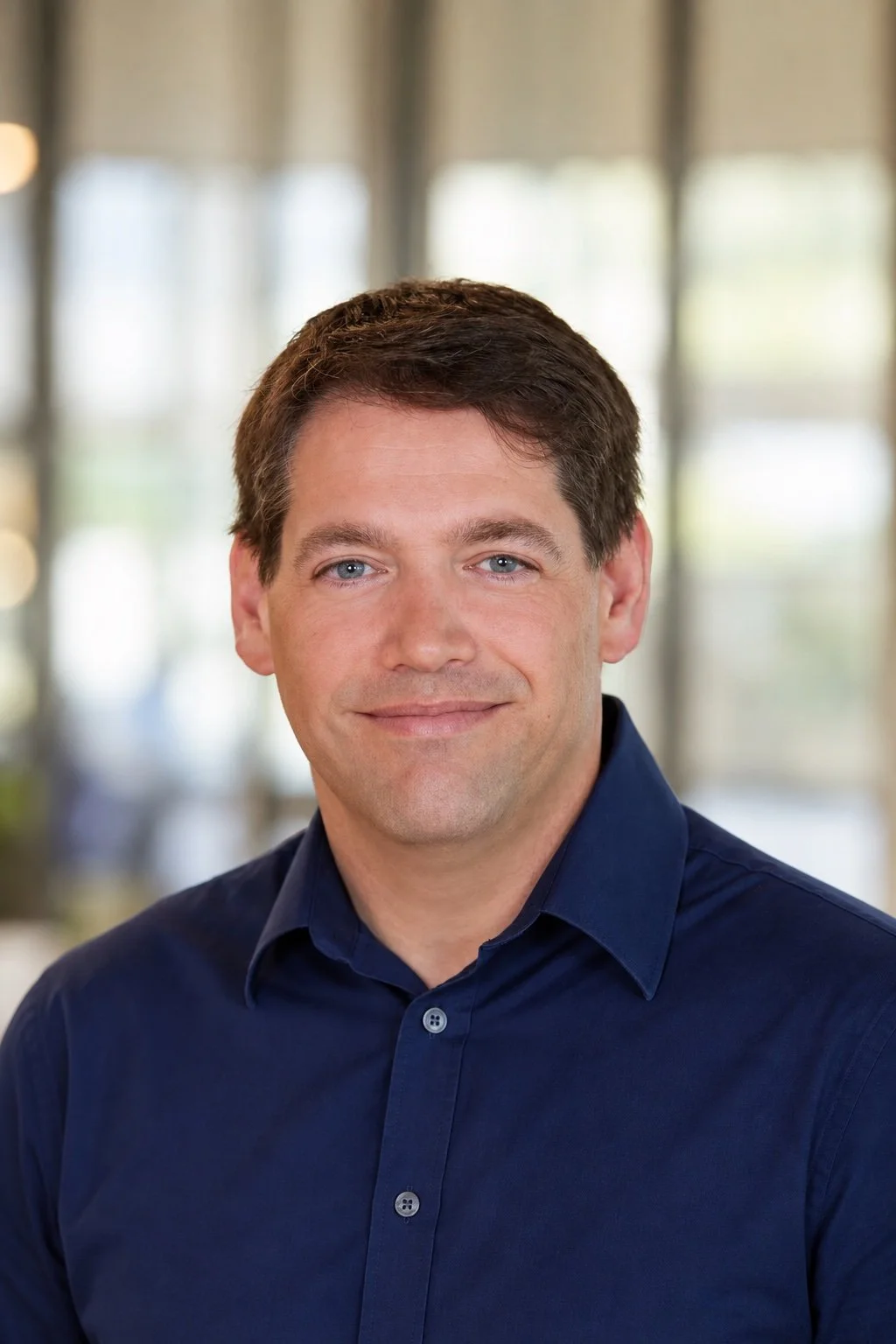
Philip Ideson is the Founder and Managing Director of Art of Procurement, a leading media, events, and intelligence platform helping procurement executives elevate their strategic impact. Since launching as a podcast in 2015, Art of Procurement has grown into a multi-show network with over 1.5 million downloads. In July 2025, AOP expanded its footprint by acquiring the ProcureTech 100 and Founders’ Circle programs, creating procurement’s premier always-on source for peer-driven insight, unbiased procuretech intelligence, and executive collaboration.
Prior to founding Art of Procurement, Philip spent over 15 years leading global procurement transformation, shared services, category management, and sourcing programs for enterprise organizations, including Ally Financial, Accenture, Chiquita, Pfizer, and Ford/Visteon.
Based in South Florida, where he channels the same optimization instincts into cars, travel, and finding the best meal!
Jumping Off the Cliff: The Ugly Side of Entrepreneurship
Derek Lutz: You transitioned from a comfortable executive track at major corporate organizations to building your own business from the ground up. What does the real journey of early-stage entrepreneurship look like behind the scenes?
Philip Ideson: Moving from a secure executive role into entrepreneurship is a complete shock to the system. You go from having cross-functional teams, corporate safety nets, and steady paychecks to staring at your laptop alone, wondering how to generate revenue. The low points are far darker than most founders admit, emptying 400k accounts, relocating your family across the country, handling unexpected legal battles, and enduring the psychological toll of uncertainty. You develop a form of founder PTSD, but pushing through those moments forces you to clarify your value proposition and back yourself completely.
Retiring Legacy Mindsets: Stop Asking for a "Seat at the Table"
Derek Lutz: After conducting nearly 900 interviews with procurement leaders, what are the biggest mindsets or operational habits that the function needs to leave behind?
Philip Ideson: We need to permanently ban phrases like "getting a seat at the table" and treating key partners as "vendors." Waiting for an invitation implies you need permission to deliver strategic value. High-performing procurement teams do not ask for a seat, they build undeniable influence by deeply understanding business outcomes and bringing actionable commercial insights directly to stakeholders. When you treat supply chain partners as strategic extensions of your business rather than transactional vendors, procurement transforms from a cost-center bottleneck into a competitive growth driver.
Overcoming Choice Paralysis Across 500+ ProcureTech Solutions
Derek Lutz: The technology ecosystem in procurement has exploded over the last decade. How can CPOs navigate hundreds of software options without getting overwhelmed by sales noise?
Philip Ideson: A decade ago, CPOs chose between a handful of legacy suites. Today, there are over 500 specialized ProcureTech solutions on the market, creating extreme choice paralysis. The traditional pay-to-play analyst report model is no longer enough to guide complex enterprise decisions. Procurement leaders need unbiased, practitioner-led intelligence and peer benchmarks—such as the ProcureTech 100—to evaluate real-world integration, ROI, and capability. Technology should never be implemented for its own sake; it must solve specific operational friction points while freeing up human talent for strategic strategy.
Redefining Procurement in the AI Era: What Voids and What Stays
Derek Lutz: As artificial intelligence and automation streamline traditional sourcing and transactional tasks, what does the future hold for human procurement leaders?
Philip Ideson: Commodity sourcing, administrative workflows, and baseline data analysis will increasingly be automated by AI. However, this shift elevates the strategic importance of human leadership. Competitive advantage will not come from standard process execution, it will come from how effectively procurement leaders build trust, foster supplier co-innovation, and navigate complex market disruptions. The future of procurement belongs to leaders who combine emotional intelligence, agility, and deep commercial instincts to solve problems that software alone cannot address.
Listen to the full episode with Philip Ideson on Spotify to explore entrepreneurship, ProcureTech intelligence, and the future of strategic procurement.